
Introduction
Maintaining and repairing your home in 2026 requires more than occasional fixes—it demands a proactive, organized approach that keeps every system functioning efficiently. From plumbing and electrical to roofing and outdoor spaces, each part of your home plays a role in your safety, comfort, and long-term investment. Ignoring small issues often leads to larger, more expensive problems, while consistent upkeep can extend the lifespan of your home and its components.
Modern homeowners also face new challenges, including rising service costs, evolving technology, and increasingly unpredictable weather patterns. These factors make it even more important to stay ahead of maintenance tasks and understand when to bring in professionals. By taking a strategic approach, you can prevent emergencies, reduce expenses, and ensure your home remains a reliable and comfortable place to live.
This guide breaks down essential services and actionable strategies to help you maintain and repair your home effectively. Whether you’re managing routine upkeep or planning major upgrades, you’ll find practical advice to keep your property in excellent condition year-round.
Build a Preventative Maintenance Schedule That Actually Works
One of the most effective ways to protect your home is by creating a structured maintenance schedule. Instead of reacting to problems as they arise, a proactive plan allows you to address issues early and keep everything running smoothly.
Start by dividing your maintenance tasks into monthly, quarterly, and annual categories. This makes the workload more manageable and ensures nothing is overlooked. For example, monthly tasks might include checking for leaks or testing smoke detectors, while annual tasks could involve servicing major systems.
A residential plumber can play a key role in your preventative plan. Scheduling regular inspections helps identify hidden leaks, worn pipes, or inefficiencies before they escalate into costly repairs. Plumbing issues often develop gradually, so early detection is critical.
In addition to indoor systems, it’s important to monitor waste management systems. Septic tank pumping should be scheduled based on household size and usage, typically every three to five years. However, warning signs like slow drains, foul odors, or pooling water in your yard may indicate the need for more frequent service.
To stay organized, consider using:
- Digital apps or calendars with recurring reminders
- Printed checklists posted in utility areas
- Maintenance logs to track completed work and upcoming tasks
Consistency is key. Even small tasks, when done regularly, can prevent major disruptions and extend the life of your home’s systems.
Protect Your Home from Water Damage and Plumbing Failures
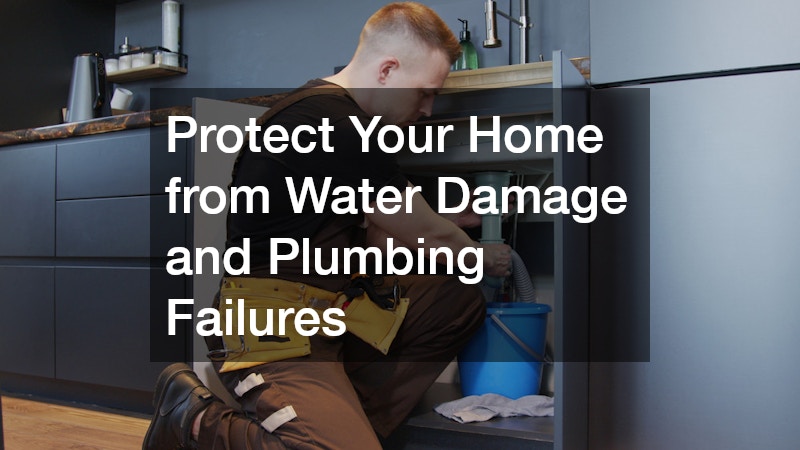
Water damage is one of the most common and costly issues homeowners face. It often starts with minor problems that go unnoticed until significant damage has occurred. Understanding how to prevent and address these issues is essential.
Common causes of water damage include leaking pipes, clogged drains, and malfunctioning appliances. Regular inspections can help you spot these issues early. Look for signs such as water stains, mold growth, or unexplained increases in your water bill.
If your home relies on a well system, water well pump repairs may be necessary to maintain consistent water pressure and quality. A failing pump can lead to interruptions in your water supply and may even damage other plumbing components.
Routine septic tank pumping also plays a vital role in preventing backups and contamination. Neglecting this service can result in sewage overflow, which poses serious health risks and requires expensive cleanup.
To reduce the risk of water damage:
- Insulate pipes to prevent freezing in colder months
- Avoid pouring grease or debris down drains
- Install water leak detectors in high-risk areas
- Schedule regular professional inspections
Taking these preventative steps can save you thousands of dollars in repairs and protect your home from long-term damage.
Keep Your Home Cool and Energy Efficient Year-Round
A comfortable home depends heavily on an efficient cooling system, especially during warmer months. Ensuring your system operates effectively can improve comfort while reducing energy costs.
If your current system struggles to maintain consistent temperatures, it may be time to consider AC installation. Modern systems are more energy-efficient and can significantly lower your utility bills. Professional installation ensures proper sizing, placement, and performance.
In addition to cooling, a home generator provides peace of mind during power outages. It ensures that essential systems, including your HVAC unit, continue to operate when you need them most. This is especially important in areas prone to storms or grid disruptions.
To maximize efficiency:
- Replace air filters regularly
- Seal windows and doors to prevent air leaks
- Use programmable thermostats to optimize temperature settings
- Schedule annual maintenance for your HVAC system
Investing in these upgrades not only enhances comfort but also increases your home’s overall efficiency and reliability.
Maintain Your Roof to Avoid Expensive Structural Issues
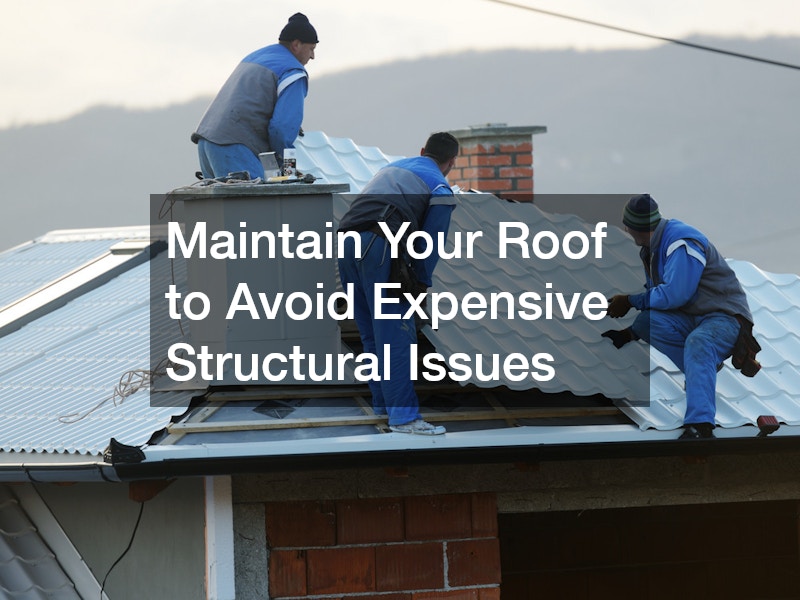
Your roof is one of the most critical components of your home, protecting it from weather and structural damage. Regular maintenance is essential to ensure its longevity and performance.
Signs that you may need roof repair include missing shingles, leaks, sagging areas, or visible wear and tear. Addressing these issues promptly can prevent more extensive damage and costly replacements.
In addition to roofing, your home’s exterior plays a vital role in protection. Siding contractors can help maintain and repair your siding, ensuring it provides proper insulation and shields your home from moisture and pests.
Preventative maintenance tips include:
- Inspecting your roof after severe weather
- Cleaning gutters to prevent water buildup
- Trimming nearby trees to reduce debris and damage
- Scheduling professional inspections every few years
By staying proactive, you can extend the life of your roof and avoid unexpected repairs.
Improve Curb Appeal and Safety with Smart Yard Maintenance
Your yard is more than just an outdoor space—it contributes to your home’s safety, functionality, and overall appearance. Proper maintenance can prevent hazards and enhance curb appeal.
Tree trimming is an essential task that helps maintain the health of your trees while reducing the risk of falling branches. Overgrown trees can damage your roof, siding, and utility lines, especially during storms.
If you have leftover tree stumps, investing in a stump grinding service can improve both safety and aesthetics. Stumps can be tripping hazards and may attract pests if left untreated.
To keep your yard in top condition:
- Remove dead or diseased branches regularly
- Maintain proper spacing between trees and structures
- Keep grass and landscaping well-maintained
- Address drainage issues to prevent water accumulation
A well-maintained yard not only looks great but also protects your home from potential damage.
Prepare Your Home for Major Life Changes and Relocation
Moving is a significant life event that requires careful planning and preparation. Ensuring your home is in good condition before a move can make the process smoother and more successful.
Before listing your home, complete any necessary repairs and upgrades. This may include fixing minor issues, repainting, or improving curb appeal. These steps can increase your home’s value and attract potential buyers. It’s also wise to conduct a pre-listing inspection to uncover hidden concerns that could delay a sale. Addressing these issues early gives you more control over negotiations and helps build buyer confidence.
Hiring a moving company can help streamline the process and reduce stress. Professional movers handle heavy lifting, transportation, and logistics, allowing you to focus on other aspects of your move. They can also provide packing services, specialized equipment for fragile items, and insurance coverage that protects your belongings during transit. Choosing a reputable company with strong reviews ensures a smoother experience.
After relocating, it’s important to inspect your new home thoroughly. Check all systems, including plumbing, electrical, and HVAC, to ensure everything is functioning properly. Take time to locate shut-off valves, breaker panels, and maintenance records so you’re prepared for future needs.
Preparation tips include:
- Decluttering and organizing belongings
- Creating an inventory of items to move
- Scheduling services and utilities in advance
- Packing strategically to avoid damage
You may also want to label boxes clearly by room and priority level, making unpacking more efficient. Setting aside essential items for the first few days can help you settle in comfortably without unnecessary stress.
Proper planning can make your move more efficient and less overwhelming.
Strengthen Your Home’s Exterior Against the Elements
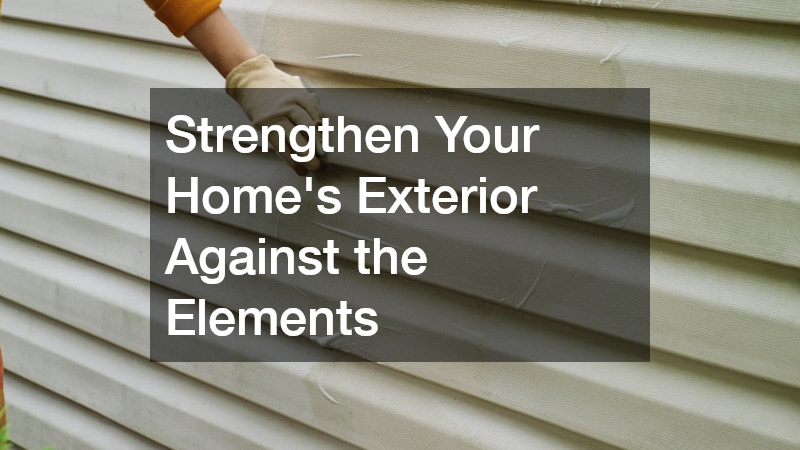
Your home’s exterior serves as the first line of defense against weather and environmental factors. Keeping it in good condition is essential for long-term durability.
Siding contractors can help repair or replace damaged siding, improving both protection and energy efficiency. Quality siding acts as a barrier against moisture, wind, and temperature fluctuations. In addition, updated siding can enhance curb appeal and increase property value, making it a worthwhile investment.
Roof repair also plays a critical role in maintaining your home’s structural integrity. Addressing issues promptly prevents water infiltration and further damage. Even small leaks can lead to mold growth, insulation problems, and costly structural repairs if left untreated.
To strengthen your exterior:
- Inspect siding and roofing regularly
- Seal cracks and gaps to prevent drafts
- Use weather-resistant materials for repairs
- Maintain proper drainage around your home
You should also clean gutters and downspouts regularly to ensure proper water flow away from your home’s foundation. Installing gutter guards can reduce debris buildup and minimize maintenance needs.
Seasonal inspections are especially important after severe weather events. High winds, heavy rain, and snow can all cause damage that may not be immediately visible. Catching these issues early can save significant time and money.
Investing in your home’s exterior ensures it remains resilient and well-protected over time.
Ensure Reliable Power and Emergency Preparedness
Power outages can disrupt daily life and pose safety risks, making emergency preparedness an essential part of home maintenance.
A home generator provides a reliable backup power source, allowing you to maintain essential functions during outages. This includes lighting, refrigeration, and heating or cooling systems. For households with medical equipment or remote work needs, backup power can be especially critical.
Proper installation and maintenance are key to ensuring your generator operates effectively when needed. Regular testing and servicing help identify potential issues before they become problems. It’s also important to keep fuel supplies stocked and stored safely if your generator requires it.
Additional preparedness tips include:
- Keeping emergency supplies on hand
- Installing surge protectors to safeguard electronics
- Creating a family emergency plan
- Staying informed about local weather conditions
You can further enhance preparedness by assembling an emergency kit that includes flashlights, batteries, bottled water, non-perishable food, and a first-aid kit. Keeping these items easily accessible ensures you’re ready to respond quickly in any situation.
It’s also helpful to establish communication plans with family members in case of extended outages. Knowing how to stay connected and where to meet can make a significant difference during emergencies.
Being prepared for unexpected events can provide peace of mind and protect your home and family.
Combine Essential Services into a Long-Term Home Care Plan
Managing multiple home maintenance tasks can feel overwhelming, but a long-term plan can simplify the process. By organizing your efforts and prioritizing projects, you can maintain your home more effectively.
Incorporate services like tree trimming into your seasonal schedule to keep your yard safe and well-maintained. At the same time, working with a residential plumber ensures your plumbing system remains in top condition. Having reliable professionals you trust can save time and reduce stress when issues arise.
To create a comprehensive plan:
- Prioritize tasks based on urgency and importance
- Allocate a budget for maintenance and repairs
- Schedule regular inspections and service appointments
- Build relationships with trusted professionals
You can also create a digital or physical maintenance log to track completed work, upcoming services, and warranty information. This record is especially useful if you decide to sell your home, as it demonstrates consistent care and upkeep.
Breaking larger projects into smaller phases can make them more manageable and financially feasible. Instead of tackling everything at once, focus on one area at a time while maintaining routine upkeep across the rest of your home.
Consistency is what keeps your home running smoothly. Even small, regular efforts can prevent costly repairs and extend the lifespan of key systems and features.
Tracking your progress and staying consistent with your plan can help you avoid unexpected issues and maintain your home’s value.
Conclusion
Maintaining and repairing your home doesn’t have to be overwhelming when you take a structured and proactive approach. By staying organized, addressing issues early, and investing in essential services, you can protect your property and ensure it remains a safe and comfortable place to live.
The most successful homeowners are those who plan ahead and remain consistent. Small, regular efforts can prevent major problems and reduce long-term costs, while thoughtful upgrades can enhance both functionality and value. Developing strong habits around maintenance also helps you feel more in control and prepared for whatever challenges arise.
By applying the strategies outlined in this guide, you can simplify home maintenance and take control of your property’s future. With the right mindset and resources, you’ll be well-equipped to handle any challenge and keep your home in excellent condition for years to come.