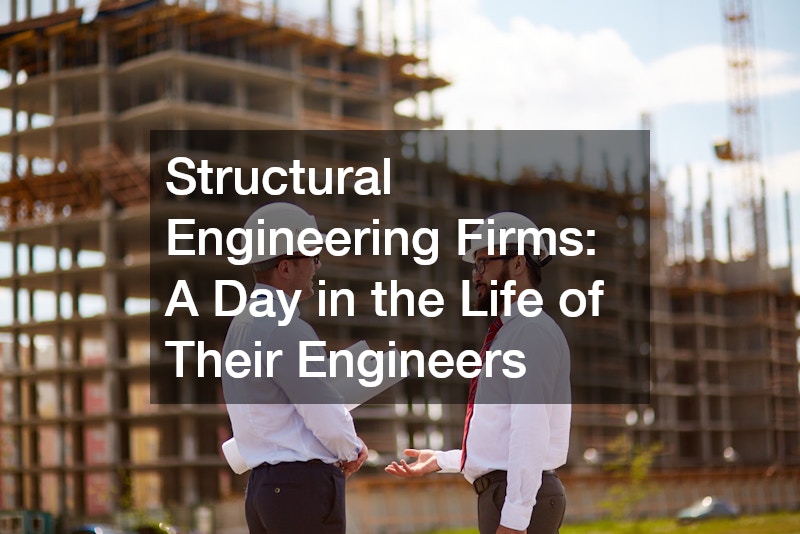
Structural engineering is both fascinating and complex. This article explores the everyday life of engineers in structural firms, highlighting their roles, challenges, and work intricacies. Through FAQs, we shed light on what it means to be part of this dynamic field.
1. What Does a Day Look Like for a Structural Engineer?
1.1 Morning Routine and Preparation
Employees at structural engineering firms start their workday by prioritizing tasks to maintain organized workflow. They review blueprints, fine-tune designs, and address issues, emphasizing team communication.
1.2 Typical Projects and Tasks
Engineers work on diverse projects from residences to infrastructures, requiring attention to detail and material understanding. They solve problems interactively, meeting regulations and codes, while also managing client communication and project documentation.
1.3 Collaboration with Other Professionals
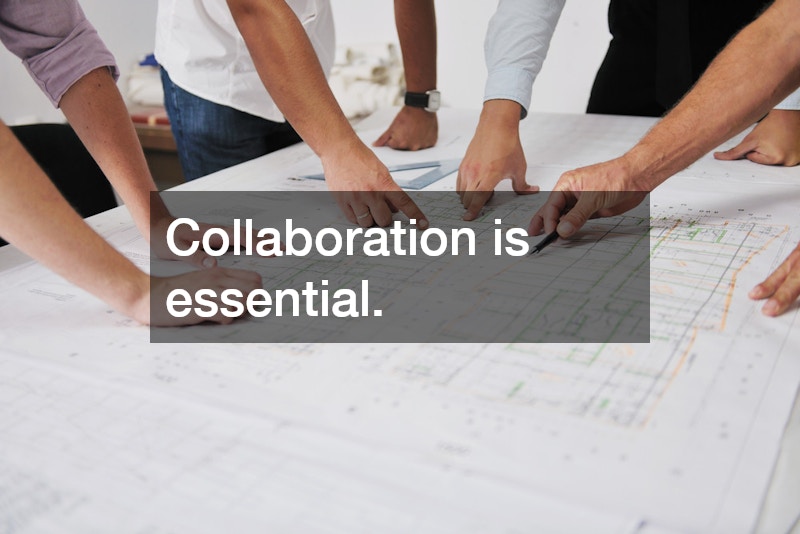
Collaboration is essential. Engineers work with architects, contractors, and consultants to integrate engineering concepts with aesthetics. Their expertise and environmental data contribute to robust project plans, and feedback from construction teams guides practical design adjustments.
1.4 Problem-solving on the Job
Engineers often deal with obstacles requiring quick thinking. They analyze scenarios using simulations to enhance safety and functionality. Their adaptability is critical to maintaining momentum and ensuring project success.
1.5 End-of-Day Wrap-up and Planning for Tomorrow
Engineers review the day’s progress and plan for upcoming challenges. Updates to project files, notes, and schedules ensure readiness. Consistent evaluations help anticipate and resolve potential challenges.
2. How Do Structural Engineers Ensure Safety and Compliance?
2.1 Understanding Building Codes and Standards
Engineers ensure safety via building codes, integrating updates into designs. Seminars and workshops keep them informed, aligning designs with current health, safety, and environmental considerations.
2.2 Conducting Safety Assessments
Safety assessments evaluate risks related to load-bearing, structural integrity, and environmental forces. Engineers document findings and collaborate with inspectors for optimal decision-making.
2.3 Material Selection and Testing
Material selection emphasizes strength, durability, and environmental impact. Engineers test materials to meet structural requirements, aligning choices with sustainability goals and innovative technologies.
2.4 Risk Management Strategies
Risk management is vital for controlling project challenges. Engineers use analysis tools for reliable design plans and contingency preparation, supporting project adaptations.
2.5 Continuous Professional Development and Training
Professional development through courses and certifications expands engineers’ skills, keeping them abreast with evolving tools and trends. Networking offers knowledge exchange, refining methodologies.
3. What Role Does Technology Play in Structural Engineering?
3.1 Use of CAD Software for Design
CAD software enhances project precision and efficiency, facilitating visualization and accuracy in designs. It communicates crucial details and allows iterative reviews aligning with stakeholder feedback.
3.2 Innovations in Construction Techniques
Emerging technologies like 3D printing and modular construction improve resource efficiency. AR and VR expand visualization, bridging conceptual designs and structures.
3.3 Application of Simulation Tools
Simulation tools provide capabilities to evaluate designs under various conditions, informing resilient decisions.
3.4 Incorporation of Sustainability Considerations
Sustainability focuses on balancing functionality and environmental stewardship. Engineers pursue energy-saving techniques and collaborate on materials for eco-friendly construction practices.
3.5 The Future Impact of AI and Robotics
AI and robotics revolutionize engineering by improving precision and workflow efficiency. AI aids data-driven decisions, while robotics streamline labor-intensive tasks, enhancing safety.
4. How Do Structural Engineers Collaborate with Other Disciplines?
4.1 Interacting with Architects
Collaboration with architects integrates functionality and aesthetics. Engineers apply principles to schematics, fostering cohesion and enriching the creative process.
4.2 Coordination with Construction Teams
Coordination ensures design intentions are met. Engineers offer practical guidance and verify compliance, optimizing workflow and quality standards.
4.3 Consulting with Environmental Experts
Consultations with environmental experts enrich eco-sensitive design strategies, informing projects with renewable resources and sustainable metrics.
4.4 Working Alongside Civil Engineers
Collaboration with civil engineers focuses on holistic project planning. Structural and civil knowledge aligns to optimize infrastructure and community outcomes.
4.5 Multidisciplinary Project Management
Multidisciplinary management unifies diverse insights and aligns project execution with strategic objectives, enhancing project value and community needs.
5. What Challenges Do Structural Engineers Face on Their Projects?
5.1 Dealing with Design Constraints
Design constraints require innovative solutions, balancing aesthetics and functionality. Engineers apply digital tools for effective scenario analysis and creative problem-solving.
5.2 Navigating Budget Limitations
Budget constraints demand strategic management. Engineers optimize resources and methodologies, using cost-benefit analyses to maintain quality and compliance.
5.3 Adapting to Changing Regulations
Regulation changes require engineers to stay informed and adapt to standards, fostering trust and reinforcing ethical practice.
5.4 Addressing Environmental Impact Concerns
Engineers address environmental concerns through sustainable methodologies, promoting resilient design with environmental and community perspectives.
5.5 Ensuring Innovation Amidst Tradition
Engineers balance innovation with tradition to maintain design harmony, respecting historical methods while integrating technologies for efficiency and sustainability.
Structural engineering is dynamic, shaping safe, sustainable structures. By collaborating, learning, and embracing technology, engineers push the boundaries of engineering possibilities.