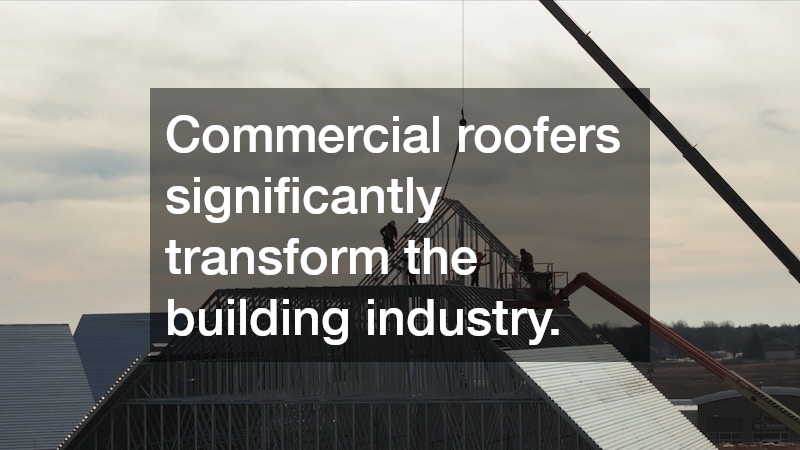
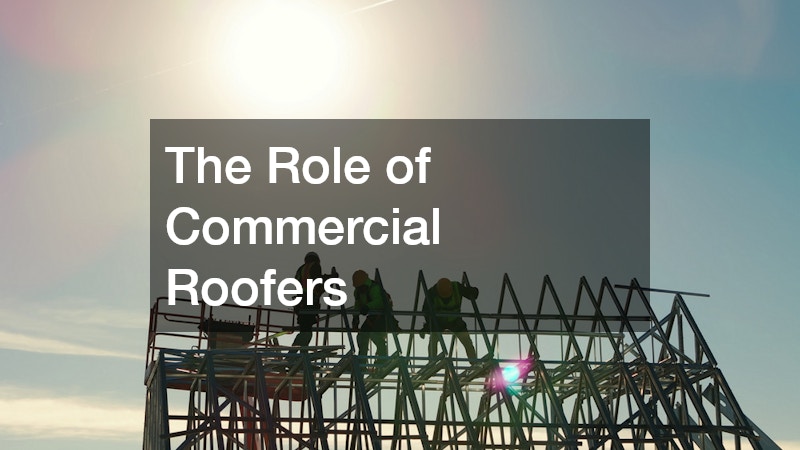
Commercial roofers play diverse roles in construction and maintenance. This article explores their responsibilities, expertise, and impact on the building industry.
What is the role of a commercial roofer?
Understanding the Scope of Work
Commercial roofers are vital in construction, providing expertise in the installation, repair, and maintenance of roofs on large-scale buildings. Their work involves planning and coordinating with architects and engineers to meet aesthetic and functional standards.
They must adapt to various materials, contributing to the durability and sustainability of structures with energy-efficient materials.
Key Responsibilities and Duties
Commercial roofers install new systems and maintain existing ones, conduct inspections, and prepare surfaces. They work with precision to avoid costly errors and engage in continuous learning to remain updated on roofing technologies.
Essential Skills and Qualifications
Roofers need physical strength, construction knowledge, blueprint interpretation skills, and proficiency in tools, problem-solving, and certifications, ensuring competence and safety.
Importance in the Construction Industry
Roofers safeguard buildings, impacting energy consumption and interior comfort. They collaborate with professionals to streamline construction and facilitate innovative design without compromising function or safety, crucial to urban aesthetics and structural soundness.
Daily Challenges and Problem Solving
Roofers face challenges from weather to structural issues, necessitating problem-solving and safety protocols. Communication and teamwork are vital for navigating construction unpredictability, ensuring client expectations are met efficiently.
How do commercial roofers ensure safety and compliance?
Overview of Safety Regulations
Roofers adhere to safety regulations to maintain safe working conditions, including fall protection and hazardous material handling, supported by continuous training.
Compliance with Building Codes
To ensure projects meet safety standards, roofers stay informed about codes, collaborate with inspectors, and align work with regulations, fostering trust and reliability.
Training and Certification Requirements
Roofers obtain certifications and complete training to adapt to industry changes, ensuring high-quality service and safety for clients.
Risk Assessment and Management
Detailed risk assessments identify hazards, ensuring project success by addressing weaknesses, defects, or environmental factors to enhance safety and efficiency.
Safety Equipment and Practices
Roofers use helmets, harnesses, and other protective gear and regularly inspect equipment to promote a culture of safety and prevent accidents.
What are the latest technologies used by commercial roofers?
Advanced Roofing Materials
Innovations in materials, such as TPO and EPDM membranes, enhance durability and efficiency, reducing maintenance costs and improving performance.
Innovative Installation Techniques
Technology enhances installation precision and efficiency, with techniques like self-adhering membranes and modular systems for quality and reliability.
Use of Drones and Software
Drones facilitate accurate surveying, while software aids management and communication, increasing efficiency and quality.
Eco-Friendly and Sustainable Solutions
Sustainable solutions, like green roofing and solar panels, reduce environmental impact and costs, promoting environmental stewardship.
Integration of Smart Technologies
IoT sensors provide real-time data, enabling proactive maintenance, while automation improves precision and reduces costs.
How do commercial roofers handle repairs and maintenance?
Routine Inspection Processes
Regular inspections detect wear early, extending roof lifespan and preventing business disruptions, tailored to client needs.
Identifying Common Roof Issues
Roofers address common problems like leaks and structural damage to prevent interior and safety impacts, recommending repairs efficiently.
Repair Techniques and Tools
Modern repair tools, like infrared scanners, ensure high-quality solutions tailored to roofing materials, restoring functionality.
Maintenance Planning and Scheduling
Comprehensive maintenance plans prevent issues from escalating, extending roof lifespan and avoiding emergency repairs.
Cost-Effective Solutions for Clients
Roofers prioritize prevention and efficiency, aligning solutions with budgets while ensuring quality and long-term savings through energy-efficient upgrades.
What should businesses consider when hiring commercial roofers?
Evaluating Experience and Expertise
Businesses should evaluate roofers’ experience, past work, and understanding of regulations to ensure reliable competence.
Understanding Contract Details
Clear contract terms minimize disputes, with transparency about risks and changes for effective communication and a positive relationship.
Comparing Quotes and Proposals
Evaluating multiple proposals ensures competitive pricing and quality, scrutinizing low bids to check for potential compromises.
Checking Credentials and References
Verifying credentials and references ensures qualifications, with client testimonials providing insight into performance and reliability.
Understanding the Importance of Warranty and Insurance
Warranty and insurance offer financial protection against defects and liabilities, ensuring unforeseen issues don’t result in extra expenses.
Commercial roofers significantly transform the building industry. By adopting advanced roofing technologies and sustainable practices, they enhance the durability, energy efficiency, and aesthetic appeal of commercial structures.