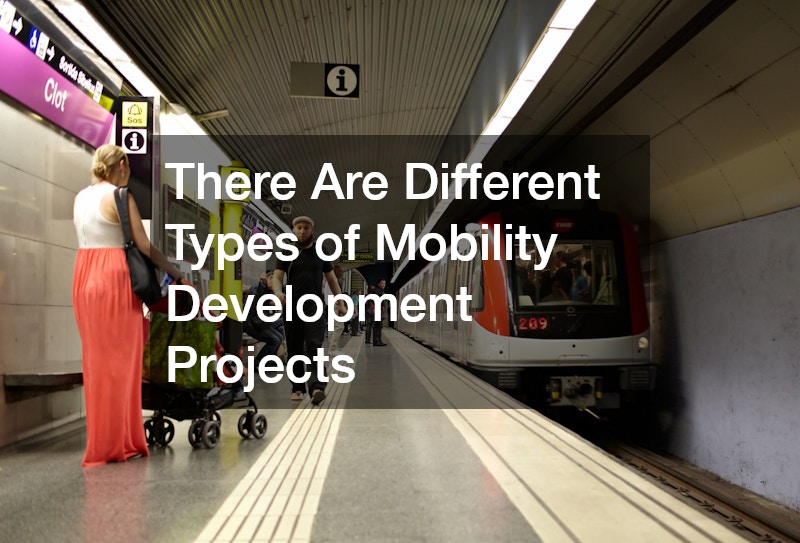

Understanding mobility development projects is crucial in today’s evolving transportation landscape. These projects are essential as they aim to enhance transportation systems through advanced technologies and strategic planning. By focusing on sustainability and efficiency, mobility development projects strive to transform urban and rural transportation.
In this article, we will delve into the intricacies of these projects, exploring their key features, the challenges they face, potential benefits, and emerging trends. Through comprehensive analysis, the objective is to provide a detailed understanding of how mobility projects contribute to shaping future transportation systems.
What are Mobility Development Projects?
Defining Mobility Development
Mobility development projects are initiatives designed to enhance and modernize transportation networks. These projects aim to improve accessibility, efficiency, and sustainability within communities. They involve a wide range of strategies, from integrating advanced technologies to improving public transit infrastructures. At their core, mobility development projects focus on creating seamless and efficient transportation solutions. This, in turn, facilitates economic growth and promotes environmental sustainability.
Types of Mobility Development Projects
There are several types of mobility development projects, each tailored to address specific transportation needs. Urban transit projects aim to improve public transportation systems, making them more accessible and user-friendly. Meanwhile, rural mobility projects often focus on enhancing connectivity in less densely populated areas. Additionally, projects that integrate technology, such as smart mobility systems, have become increasingly important. Each project type plays a vital role in developing comprehensive transportation solutions.
Importance in Modern Transportation
Mobility development projects significantly impact modern transportation by addressing existing infrastructure challenges. These projects are crucial in reducing congestion, lowering emissions, and improving safety. They play a pivotal role in building sustainable cities by promoting eco-friendly transportation options. Furthermore, by modernizing infrastructure, these projects ensure that transportation systems can meet the needs of growing populations. Through strategic planning and innovation, they are shaping the future of transportation.
Stakeholders Involved
Mobility development projects involve numerous stakeholders who contribute to their success. Governments and local authorities often lead these initiatives, as they provide necessary funding and regulatory oversight. Private companies, especially those in technology and transportation sectors, also play a crucial role in project implementation. Furthermore, community organizations and citizen groups are essential in promoting public interest and feedback. Collaborations among these stakeholders ensure that mobility projects are well-rounded and effective.
Global Examples
Several impactful mobility development projects around the world serve as leading examples. In Europe, the development of high-speed rail networks has significantly improved intercity connectivity. In Asia, cities like Seoul and Tokyo have adopted smart transportation systems that integrate digital technology for efficiency. In North America, urban cycling initiatives exemplify efforts to promote eco-friendly transportation. Such global projects demonstrate the diverse approaches to mobility development. They highlight the potential benefits that these projects can bring to societies worldwide.
What Key Features Define Effective Mobility Development?
Technology Integration
Technology integration is a cornerstone of effective mobility development. Modern transportation projects leverage digital innovations, like GPS and mobile applications, to improve user experience. For example, real-time tracking and data analytics enhance the efficiency of public transit systems. In autonomous vehicles, cutting-edge software and sensors are crucial for safe navigation. Therefore, the incorporation of technology is vital in driving the success of mobility initiatives.
Infrastructure Planning
Infrastructure planning in mobility development projects focuses on creating sustainable and resilient transportation networks. It involves designing roads, bridges, and transit systems to handle future demands. Emphasis is placed on developing infrastructures that support diverse modes of transport, such as walking, cycling, and public transit. Effective planning ensures that projects align with environmental goals and urban growth patterns. Ultimately, infrastructure is the foundation upon which successful mobility systems are built.
User-Centric Design
User-centric design is essential in making mobility projects accessible and appealing to the public. Projects utilize user feedback and behavioral data to create convenient and efficient transportation options. For instance, designing transit schedules and routes based on commuter needs helps increase ridership. Additionally, making stations and vehicles available for all, including those with disabilities, is a priority. This approach ensures that transportation systems cater to the diverse needs of the population.
Environmental Sustainability
Environmental sustainability is a key consideration in the development of modern mobility projects. Projects focus on reducing greenhouse gas emissions and minimizing ecological footprints. This is achieved through the promotion of electric vehicles, alternative fuels, and energy-efficient public transit. Furthermore, urban planning practices that limit sprawl and prioritize green spaces contribute to sustainability. As mobility projects evolve, environmental responsibility remains a central concern.
Regulatory Considerations
Regulatory considerations play a significant role in the execution of mobility development projects. Projects must comply with local, national, and international policies governing transportation systems. Regulations influence aspects like safety standards, environmental impact assessments, and funding allocations. Navigating these legal frameworks requires careful planning and adherence to regulations. Successfully managing regulatory considerations ensures that projects have legal compliance and public support.
What Challenges Do Mobility Development Projects Face?
Funding and Budget Constraints
One of the primary challenges facing mobility development projects is securing adequate funding. Budget constraints can significantly delay or alter project plans, impacting overall effectiveness. In many cases, projects rely on government allocations, which may be subject to political changes. Additionally, cost overruns and unforeseen expenses pose financial challenges. Sustainable funding strategies are essential in ensuring project completion and delivery.
Technological Challenges
While technology is integral to mobility development, it also presents several challenges. Rapid technological advancements require continuous updates and investment. Moreover, ensuring compatibility between new technologies and existing systems can be complex and costly. Cybersecurity threats further complicate technology integration, demanding rigorous protections. Addressing these challenges requires robust planning and collaboration with tech experts.
Regulatory Hurdles
Regulatory hurdles are a common challenge in mobility project implementation. Navigating complex legal frameworks can lead to project delays and increased costs. Regulations around environmental impact, land use, and public safety present additional obstacles. Engaging with policymakers and regulatory bodies early in the project lifecycle is crucial for overcoming these barriers. Effective communication and negotiation skills are vital in mitigating regulatory challenges.
Public Resistance
Public resistance can significantly affect the success of mobility development projects. Concerns about environmental impact, cost, or displacement often lead to opposition from local communities. Ensuring transparency and involving stakeholders from the beginning can help alleviate these concerns. Public awareness campaigns and participatory design processes are effective in gaining community support. Addressing public resistance is crucial as it influences the overall success and acceptance of mobility projects.
Integration with Existing Systems
Integrating new mobility projects with existing transportation systems presents unique challenges. Existing infrastructures may need significant upgrades to accommodate new developments. Compatibility issues between systems can hinder seamless operations and user experience. Careful planning and coordination are necessary to ensure smooth integration. Keeping public inconvenience to a minimum during such transitions is also a priority.
What are the Benefits of Successful Mobility Development Projects?
Improved Accessibility
Successful mobility development projects significantly improve accessibility. By designing transportation systems that cater to all, including underserved communities, accessibility is enhanced. Improved roads, transit options, and technological developments facilitate easy access to different regions. Furthermore, making public spaces navigable for everyone, irrespective of physical ability, is prioritized. This leads to more inclusive and equitable transportation networks.
Economic Growth
Efficient mobility projects contribute to economic growth by boosting local economies. Improved transportation infrastructure facilitates trade and business operations. Additionally, increased accessibility and efficient transit attract investments and tourism, stimulating regional economies. By reducing travel time and costs, these projects enhance productivity and efficient logistics. Overall, they create an economic environment conducive to development and growth.
Environmental Impact
Mobility projects that adopt sustainable practices have positive environmental impacts. By reducing reliance on fossil fuels through renewable energy and electrification, projects decrease emissions. Urban green spaces and eco-friendly design practices mitigate environmental degradation. Promoting public transit over private vehicle use further reduces carbon footprints. As mobility projects evolve, they continue to prioritize environmental considerations.
Quality of Life
Well-planned mobility projects enhance the quality of life by offering reliable and efficient transportation options. Reduced travel times and improved convenience lead to less stress for commuters. Access to diverse transit modes encourages physical activity and healthier lifestyles. Additionally, increased connectivity between communities fosters social and economic interaction. All these improvements contribute to a higher quality of living for urban and rural residents alike.
Job Creation
Mobility development projects create job opportunities during and post-implementation. Construction and technological development processes demand a skilled workforce. Furthermore, long-term maintenance and operation of these systems offer ongoing employment. Investment in education and training programs ensures a well-prepared workforce. Consequently, mobility projects positively impact employment statistics and economic stability.
What Future Trends Are Expected in Mobility Development?
Emerging Technologies
Future mobility projects will increasingly rely on emerging technologies. Autonomous vehicles, AI, and IoT are set to revolutionize transportation systems. These technologies promise enhanced safety, reduced costs, and optimized traffic management. However, they require substantial investments in infrastructure and regulatory frameworks. The future of mobility is inexorably linked with technological evolution.
Smart City Integration
The integration of smart city initiatives will play a crucial role in future mobility projects. Smart cities utilize data analytics and digital technologies to optimize urban services. Transportation systems will become more efficient, connected, and responsive to residents’ needs. These systems improve quality of life by providing real-time information and enhancing safety. As cities develop smarter solutions, mobility projects will adapt by integrating these advancements seamlessly.
Focus on Sustainability
Sustainability will be a focal point in the evolution of mobility development projects. Emphasizing renewable energies and resource-efficient transportation is at the forefront. Developers are adapting to pressing climate challenges by designing eco-friendly solutions. Additionally, global policies and agreements increasingly prioritize sustainable transportation. As sustainability takes center stage, mobility projects will align accordingly.
Autonomous and Electric Vehicles
The rise of autonomous and electric vehicles will transform mobility development projects. Autonomous vehicles promise convenient, driverless transport solutions. Electric vehicles offer eco-friendly, energy-efficient alternatives to traditional cars. These innovations necessitate new infrastructures, such as charging stations and smart traffic systems. Consequently, mobility projects must adapt to accommodate this technological shift.
Global Collaboration
Global collaboration between governments, organizations, and communities will drive future mobility projects. Sharing knowledge and resources enhances the development of innovative transportation solutions. Joint efforts tackle cross-border challenges, such as climate change and technological integration. As global issues demand collaborative approaches, mobility projects benefit from pooled expertise. Ultimately, international partnerships promise a more connected and efficient transportation future.
Mobility development projects are crucial to the advancement of efficient, sustainable transportation. While challenges exist, the benefits and future potential are vast. As technology and infrastructure continue to evolve, so too will the landscape of mobility projects, shaping a more connected and accessible future. These projects not only respond to current transportation needs, but also anticipate future challenges and opportunities. With ongoing innovation and collaboration, mobility development promises a transformative impact on global transportation systems.