
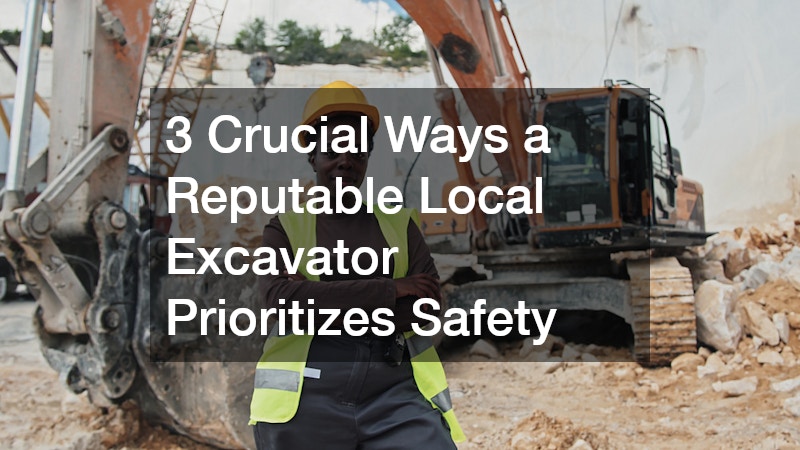
Excavation is one of the most essential yet potentially hazardous aspects of construction projects. From digging foundations to creating trenches for utilities, the work requires precision, expertise, and a deep commitment to safety. Choosing a reliable contractor is not only a matter of skill and equipment but also of their approach to protecting workers, clients, and the surrounding environment. A reputable local excavator integrates safety into every phase of the project, ensuring that risks are minimized and operations proceed smoothly. Below are three critical ways in which safety is prioritized in professional excavation work.
1. Conducting Comprehensive Site Assessments
Before any heavy machinery is brought onto a construction site, a trustworthy excavator conducts a detailed site assessment. This initial step is more than a cursory inspection; it involves analyzing the soil type, identifying underground utilities, checking for potential hazards such as unstable slopes or water accumulation, and understanding environmental conditions. Such assessments help prevent accidents that can arise from unforeseen obstacles or unsuitable terrain. For example, unstable soil can lead to trench collapses, while hidden utility lines pose significant risks of electrical shocks or gas leaks. By thoroughly evaluating the site, the excavator can develop a plan that addresses these risks, ensuring that the machinery and crew operate under the safest possible conditions.
Moreover, site assessments allow for proactive communication with local authorities and utility companies. Excavators who prioritize safety understand that proper permits and coordination are essential to avoid costly delays and dangerous surprises. The insights gained from these assessments guide decisions about machinery placement, excavation depth, and worker positioning. In doing so, an excavator demonstrates foresight and diligence, showing that safety is embedded in the planning stage rather than treated as an afterthought.
2. Implementing Rigorous Equipment Maintenance
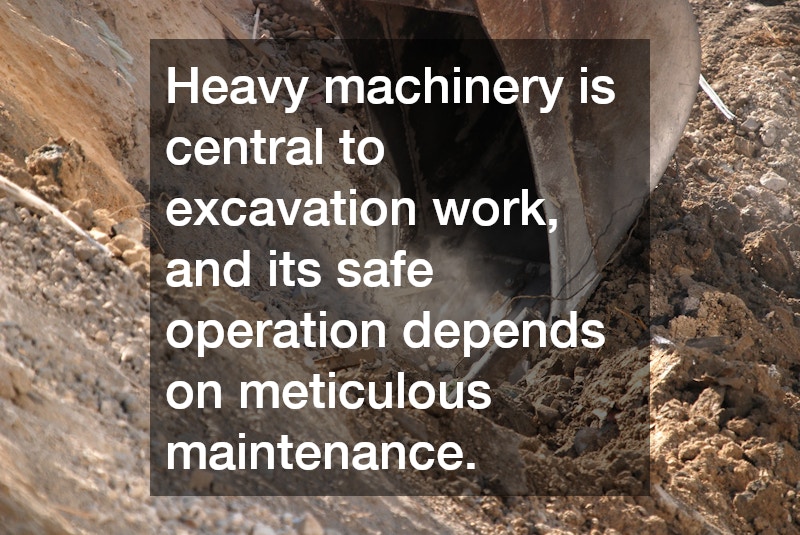
Heavy machinery is central to excavation work, and its safe operation depends on meticulous maintenance. A professional excavator ensures that all equipment—from backhoes and bulldozers to trenchers and loaders—is regularly inspected, serviced, and updated as necessary. Mechanical failures during operation can lead to catastrophic accidents, including rollovers, hydraulic leaks, or unexpected equipment stoppages that jeopardize both workers and the surrounding property. By adhering to strict maintenance schedules, a reputable contractor minimizes these risks, extending the life of the machinery while enhancing overall site safety.
Additionally, operators are trained to recognize early warning signs of malfunction, such as unusual noises, vibrations, or hydraulic inconsistencies. Inexperienced or negligent crews may overlook these indicators, but a reliable local excavator integrates safety protocols into daily operations, ensuring that minor issues are addressed before they escalate. Routine maintenance also includes checking safety features like alarms, seat belts, and emergency shutoffs. This comprehensive approach underscores a commitment to proactive risk management and fosters a work environment where safety is as critical as productivity.
3. Enforcing Strict On-Site Safety Protocols
Even with thorough planning and well-maintained machinery, excavation remains inherently risky without consistent adherence to safety protocols. A reputable excavator establishes and enforces rigorous on-site guidelines to protect workers and minimize hazards. These protocols often include designated access routes for machinery, personal protective equipment requirements, and procedures for managing potential emergencies. For instance, trenching operations require continuous monitoring to detect soil shifts or water intrusion, and crews are trained to evacuate or shore up trenches at the first sign of instability.
Communication is also a central element of effective safety enforcement. Excavation crews rely on clear signals, radios, and supervision to coordinate complex operations, ensuring that every team member is aware of moving machinery and potential dangers. Safety briefings at the start of each day reinforce expectations and allow for the discussion of new hazards that may arise during ongoing work. Furthermore, a reputable contractor conducts regular audits and safety drills, instilling a culture of vigilance and accountability that goes beyond compliance with regulations. By maintaining high standards and consistent oversight, an excavator protects the workforce, the client’s property, and the project timeline from unnecessary setbacks.
Safety in excavation is not optional; it is fundamental to successful project execution. An excellent local excavator demonstrates a commitment to protecting people and property through comprehensive site assessments, meticulous equipment maintenance, and strict enforcement of on-site safety protocols. Each of these elements contributes to reducing accidents, avoiding delays, and fostering a professional work environment where every team member understands their role in maintaining safety standards.