
Commercial real estate represents one of the largest physical and financial assets on a corporate balance sheet. However, in many modern enterprises, facility management is still treated as a reactive cost center rather than a strategic driver of operational stability, employee productivity, and long-term asset value. Waiting for building components, mechanical equipment, or structural enclosures to fail before intervening leads to unpredictable budget spikes, unscheduled operational downtime, severe safety hazards, and accelerated physical asset depreciation.
A successful business strategy treats physical infrastructure as a dynamic, interconnected system that requires continuous monitoring, scheduled maintenance, and disciplined capital planning. By transitioning from a reactive, fix-it mentality to a structured, predictive operating model, executive teams, property owners, and facility managers can safeguard company inventory, protect sensitive digital infrastructure, reduce utility overhead, and ensure seamless productivity across every square foot of their properties.
This guide provides an in-depth framework designed to help business leaders establish proactive facility protocols, vet specialized trade partners, manage capital upgrades cleanly, and protect critical real estate assets over decades of continuous operation.
Phase 1: Transitioning from Reactive Fixes to Predictive Operations
Commercial facilities are subjected to non-stop mechanical wear, environmental exposure, and heavy operational foot traffic. When building systems operate without a structured inspection schedule, minor component friction or unseen material degradation inevitably turns into catastrophic failure. A predictive operational framework shifts maintenance spending away from emergency overtime calls and toward planned, budget-friendly upkeep that keeps facilities running smoothly.
To build an effective predictive maintenance infrastructure, business management teams should focus on these foundational steps:
- Asset Lifecycle Mapping: Inventory every major physical asset across your facility—including HVAC compressor units, electrical sub-panels, plumbing runs, and structural building envelopes—logging model numbers, installation dates, warranty expiration terms, and historical repair costs.
- Condition-Based Monitoring: Install Internet of Things (IoT) sensors along critical operational points, such as primary supply water pipes, server room cooling units, and main electrical rooms, to capture real-time readings for vibration, temperature, and moisture variations.
- Scheduled Non-Destructive Audits: Conduct routine infrared thermal imaging scans across electrical panels and low-slope roof assemblies to identify hidden electrical resistance or trapped moisture beneath waterproofing membranes before visible interior damage occurs.
- Standardized Work Order Workflows: Implement a digitized Computerized Maintenance Management System (CMMS) that automatically dispatches preventative maintenance work orders to internal staff or external trade teams based on operational hours, rather than waiting for equipment breakdown reports.
- Environmental Load Analysis: Evaluate how local climate patterns, seasonal humidity changes, and urban heat island effects place localized stress on building seals and thermal insulation layers over time.
- Facility Baseline Auditing: Perform annual energy usage and water consumption audits against historical industry standards to identify hidden operational drag or micro-leaks within the facility’s distribution systems.
Substantial emphasis must be placed on preserving the primary structural envelope of your commercial properties. Partnering with certified commercial flat roofers allows management teams to schedule thorough bi-annual moisture audits on low-slope built-up, EPDM, or TPO assemblies. These routine overhead inspections detect microscopic seam separations, displaced flashing, and clogged internal drainage lines long before water can migrate into interior drop ceilings, destroy electrical conduits, or damage sensitive inventory.
Phase 2: Protecting Commercial Roofing Infrastructure
A commercial facility’s overhead assembly is its primary line of defense against severe weather, extreme temperature shifts, and environmental degradation. Yet, because roof assemblies are hidden from daily view, they are frequently neglected until water drips into an office suite, retail floor, or manufacturing line. Protecting these critical assemblies requires understanding the specific care guidelines tailored to the building’s roofing material and structural design.
Low-slope single-ply membrane systems demand targeted care protocols to maintain their designed service life. For properties utilizing ethylene propylene diene monomer (EPDM) synthetic rubber membranes, establishing a routine schedule for rubber roof maintenance prevents premature material failure and extends overall system endurance. EPDM systems are particularly sensitive to ponding water, petroleum-based chemical splatter from HVAC exhausts, and heavy thermal expansion cycles. Scheduled maintenance involves cleaning membrane surfaces with specialized non-abrasive cleaners, checking perimeter termination bars, re-securing loose gravel guards, and applying fresh lap sealants along factory seams to prevent edge lifting and moisture migration.
Similarly, buildings equipped with thermoplastic membranes require tailored technical oversight to remain watertight and structurally resilient under heavy environmental exposure. Engaging specialized PVC roofing contractors ensures that heat-welded seams, perimeter wall flashing, and pipe boots are inspected with specialized probe tools to confirm structural seam integrity. PVC membranes offer excellent resistance to animal fats, industrial chemicals, and fuel emissions, but regular inspection is essential to ensure that heavy mechanical vibration from rooftop units has not backed out mechanical fasteners or worn through sacrificial scuff pads placed along high-traffic maintenance walking paths.
Regularly auditing these overhead protective systems creates a reliable baseline of physical health for your real estate assets, shielding your operations from unexpected water intrusion and extending the interval between major capital replacements.
Phase 3: Selecting and Vetting Commercial Trade Contractors
Modern facility managers cannot maintain every specialized building system using in-house personnel alone. Complex mechanical systems, high-voltage electrical arrays, and specialized structural enclosures require external trade expertise and specialized equipment. However, hiring unqualified, under-insured, or unreliable contractors introduces severe legal liability, financial risk, and potential safety hazards to your corporate environment.
Building a resilient supply chain of commercial trade vendors requires a rigorous, standardized vetting procedure:
- Verify Specialized Trade Licensing: Demand active, unencumbered state contractor licenses specific to the trade being performed, ensuring the vendor is authorized for commercial-grade installations rather than strictly residential work.
- Inspect Insurance Coverage: Require a Certificate of Insurance (COI) sent directly from the vendor or insurance provider naming your corporation as an additionally insured party. Ensure policies meet high commercial thresholds for general liability, umbrella coverage, and workers’ compensation.
- Audit Safety Track Records: Request contractors’ Experience Modification Rate (EMR) and OSHA 300 logs from the past three years. An EMR rating below 1.0 indicates a superior safety record that reduces liability risk on your property.
- Evaluate Financial Stability: Confirm that prospective trade partners possess sufficient financial liquidity and strong credit lines with major material distributors to prevent mechanics’ liens from being filed against your real estate due to unpaid material suppliers.
- Review Response Time SLAs: Establish clear Service Level Agreements (SLAs) defining guaranteed emergency call-out response times during storm events, power outages, or major mechanical breakdowns.
- Evaluate Vendor Subcontracting Policies: Ensure that primary contractors do not subcontract critical structural or mechanical work to unvetted third parties without prior written authorization from your facility management team.
When managing specialized building envelopes, such as standing seam architectural metal roofs or heavy structural framing, establish direct service agreements with reputable local metal roofers who understand regional wind uplift requirements and local snow load dynamics. Maintaining a verified roster of licensed commercial roofing contractors ensures your facility receives priority scheduling during regional weather emergencies when unvetted businesses face weeks-long waitlists for emergency response services.
Phase 4: Managing Capital Projects and System Upgrades
Major facility renovations—such as complete HVAC system replacements, building envelope retrofits, or parking garage restorations—are necessary investments that restore asset value, improve worker comfort, and boost energy efficiency. However, conducting heavy construction within an operating corporate facility presents severe risks to daily productivity, employee safety, and customer experience if the work is poorly coordinated or executed.
To execute major capital improvement projects without disrupting business operations, facility managers must enforce strict operational constraints during project planning:
- Phased Site Access Plans: Establish dedicated material staging zones, worker parking corridors, and temporary perimeter fencing to separate construction activities cleanly from employee and customer traffic lanes.
- Off-Peak Noise and Vibration Scheduling: Restrict core-drilling, concrete sawing, and crane operations to evenings or weekends, preventing acoustic disruption in surrounding office spaces, conference rooms, or laboratories.
- Dust and Air Quality Containment: Require negative air pressure units, heavy plastic dust barriers, and temporary sealed walk-off mats when construction zones abut conditioned interior spaces to keep dust and chemical fumes out of main air ducts.
- Rigorous Crane and Hoisting Protocols: Enforce strict lift plans for all rooftop material staging, ensuring heavy equipment lifts occur only when the building space directly below the lift path is completely evacuated of staff.
- Waste Management and Disposal Routes: Designate specific freight elevators and debris disposal chutes to ensure construction waste does not clutter primary corridors or block emergency egress routes.
- Temporary Environmental Controls: Install supplementary spot-cooling or portable heating units when primary HVAC systems are offline during capital upgrades to maintain safe indoor temperature setpoints.
Collaborating with established, full-service commercial roofing companies allows facility executives to coordinate large-scale roof replacements seamlessly. Experienced commercial vendors understand how to schedule heavy tear-offs and material delivery around loading dock hours, ensuring corporate logistics remain fully operational throughout the construction timeline. This strategic planning not only minimizes disruptions to daily operations but also enhances safety on-site, as workers can focus on their tasks without the added pressure of logistical conflicts.
Moreover, these partnerships often yield cost savings through bulk purchasing and efficient project management, ultimately contributing to a smoother and more successful roofing project. By leveraging the expertise of these vendors, facility executives can ensure that their roofing needs are met with the utmost professionalism and efficiency.
Phase 5: Delivering Continuous Maintenance for Specialized Buildings
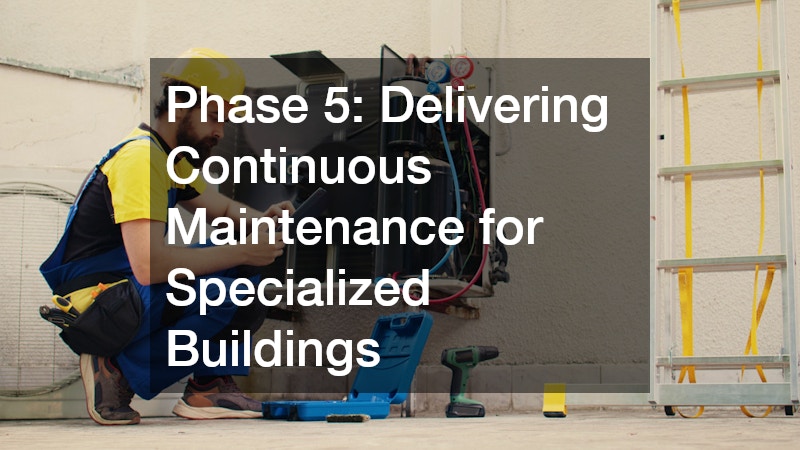
Every commercial property portfolio contains a diverse mix of building types, ranging from multi-story corporate headquarters to specialized suburban administrative annexes and logistics facilities. Each facility style features unique structural demands, requiring tailored maintenance protocols to keep every square foot of your portfolio in peak operational condition.
For properties with specialized architectural designs or mixed-use layouts, routine care must account for both high-tech internal systems and traditional exterior protective barriers. When maintaining sloped auxiliary structures, security outposts, or administrative outbuildings, contracting experienced trade teams to execute precise asphalt shingle installations guarantees that underlayment moisture barriers, ridge ventilation systems, and perimeter drip edges are installed to rigorous commercial endurance standards.
To ensure long-term structural integrity and operational uptime across all facility types, management teams should adopt these core operational strategies:
- Streamline Technical Service Requests: Maintain a single point of contact within your facility management software for scheduling specialized trade work, eliminating confusion across regional property managers.
- Partner with Certified Technical Specialists: Require that all overhead structural work and high-elevation building repairs be performed exclusively by fully licensed, certified roofers, protecting your internal staff from fall hazards and ensuring strict OSHA compliance.
- Schedule Comprehensive Structural Maintenance: Implement routine schedules for professional roofing service calls to inspect pipe penetrations, expansion joints, skylight seals, and parapet wall caps every six months.
- Secure Emergency Structural Support: Partner with on-call emergency trade crews who offer rapid-response roof repair services to address storm damage, fallen tree limbs, or sudden membrane punctures before water damages interior office equipment, server racks, or retail displays.
- Track Energy Performance Metrics: Monitor monthly utility usage against historical benchmarks to detect unexpected thermal loss caused by deteriorating insulation or compromised building envelopes.
- Establish Documented Safety Audits: Keep comprehensive logs of all structural, fire safety, and electrical inspections to maintain full compliance during municipal code reviews or insurance risk assessments.
Establishing these structured maintenance layers ensures that minor physical wear is caught and corrected early, preserving your real estate assets and preventing localized building issues from escalating into major operational headaches. Regularly scheduled inspections can help identify potential problems before they require extensive repairs, saving both time and money in the long run.
Moreover, a proactive maintenance approach fosters a safer and more comfortable environment for tenants, promoting tenant satisfaction and retention. Ultimately, investing in consistent maintenance not only protects your property but also enhances its overall value in the competitive real estate market.
Conclusion
Proactive facility management is a vital corporate discipline that directly impacts an enterprise’s financial stability, risk profile, regulatory compliance, and operational resilience. By stepping away from reactive crisis management and embracing a structured predictive maintenance program, business leaders can systematically extend the operating life of their physical infrastructure, cut energy waste, and protect valuable company assets from unexpected damage.
Investing time and resources into proper building envelope care, rigorous contractor selection, clean capital project execution, and timely structural maintenance pays continuous dividends over the life of a property. A well-maintained facility keeps workers safe, protects critical technology, preserves corporate real estate equity, and allows business management to focus on core growth initiatives with complete peace of mind.