
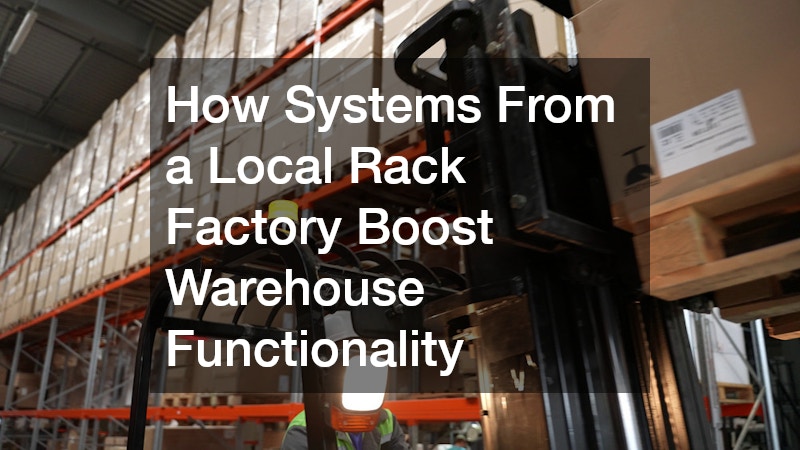
Warehouse functionality can often be enhanced through well-designed storage systems. A local rack factory provides customized and efficient systems that fit the unique needs of each warehouse.
These systems are gaining popularity because they improve logistical processes and offer reliability. Choosing local suppliers also supports community businesses while ensuring faster and more personalized service.
This article will delve into how systems from a local rack factory can significantly improve warehouse operations, space utilization, safety, sustainability, and quality.
1. What are the Benefits of Using Systems from a Local Rack Factory?
a. Improved Efficiency in Warehouse Operations
Systems from a local rack factory are designed to streamline warehouse operations by optimizing the storage and retrieval process. This efficiency allows for quicker access to inventory, minimizing time spent on item retrieval.
Furthermore, these systems enhance productivity by allowing warehouse staff to organize products more systematically. This translates to smoother and faster order fulfillment processes.
The local factory’s understanding of warehouse dynamics ensures tailored solutions that align with operational goals, bolstering performance and scalability.
b. Cost-Effective Storage Solutions
The systems designed by the local rack factory continue to outperform traditional storage options due to their cost-effectiveness. They offer scalability without a hefty price tag, ensuring long-term savings and return on investment.
Local production reduces logistics and installation costs, making it financially viable to invest in high-quality storage solutions that don’t break the bank. This economic advantage is passed onto the warehouses, making them more competitive.
By customizing solutions to specific needs, businesses avoid unnecessary expenses on features that don’t benefit their operations. This precision reduces waste and aligns with budgetary constraints.
2. How Do These Systems Enhance Warehouse Space Utilization?
a. Maximizing Vertical Space
Local rack factory systems effectively utilize unused vertical space, dramatically increasing storage capacities. Innovative designs allow warehouses to house more goods without expanding their physical footprint.
This vertical expansion is particularly beneficial in urban areas where land space is at a premium. It supports better organization and makes navigating the warehouse environment more efficient.
The ability to stack shelves higher reduces clutter on the floor, streamlining movement and reducing the risk of accidents and loss.
b. Customizable Storage Options
Another advantage of these racks is their ability to be customized to meet particular storage needs. The flexibility to modify dimensions ensures maximum space efficiency, adapting as stock levels fluctuate.
Customization caters to diverse industries, accommodating everything from SKU-based storage to oversized goods. It integrates seamlessly with existing warehouse management systems to augment efficiency.
This adaptability supports businesses in handling different inventory types effectively, offering solutions that evolve along with market and business needs.
3. What is the Impact on Warehouse Safety?
a. Enhanced Stability and Durability
Safety is of paramount importance, and local rack systems are constructed to withstand heavy loads and frequent use. Their stability reduces risks associated with collapsed shelving or falling products.
Using robust materials ensures these racks serve as long-term investments, maintaining safety standards throughout their lifecycle. A safer warehouse means fewer injuries and disruptions in operations.
This structural integrity protects inventory too, reducing damage costs and insurance liabilities, making safety not just a priority but a financially sensible consideration.
b. Compliance with Safety Standards
Local rack factories comply with stringent industry safety standards, providing peace of mind to warehouse operators. Their systems undergo rigorous testing to ensure they meet requisite safety regulations.
By adhering to these standards, the warehouse not only enhances its safety profile but also shields itself from potential legal complications. Compliance ensures a safer work environment, boosting overall morale and productivity.
Adoption of compliant systems also reflects a company’s commitment to safety, potentially improving stakeholder confidence and customer trust.
4. Are These Systems Sustainable and Environmentally Friendly?
a. Use of Recyclable Materials
Environmental sustainability is increasingly critical, and local rack factories often use recyclable materials to construct their systems. This practice reduces waste and promotes long-term ecological responsibility.
By focusing on materials that have a smaller carbon footprint, they contribute positively to sustainability goals, aligning with global environmental initiatives and corporate social responsibility policies.
Choosing systems that prioritize recycling supports securing a healthier environment for future generations, fostering a positive brand image and compliance with eco-friendly mandates.
b. Energy Efficiency in Production
The production methods employed by local rack factories often emphasize energy efficiency, reducing the overall environmental impact. This efficiency contributes to lower production costs, which can be passed on to customers.
Factories often adopt green technologies in their manufacturing processes, further enhancing their commitment to sustainability. Energy-efficient production methods lower greenhouse gas emissions while producing high-quality products.
Through responsible manufacturing, these factories not only reduce their energy expenditure but also ensure that their carbon footprint is minimized, directly supporting a sustainable supply chain.