
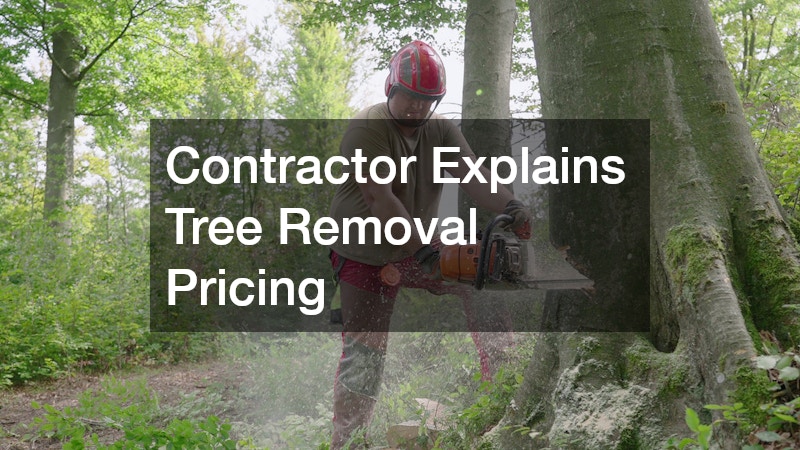
As tree removal contractors, we understand that pricing can feel confusing for homeowners. Every job is different, and an estimate reflects far more than simply cutting down a tree. When we assess a project, we consider tree size, location, safety risks, equipment requirements, and seasonal demand. Optional services such as stump grinding, debris hauling, or emergency response can also influence the final cost. Our pricing is designed to ensure the work is completed safely, efficiently, and in compliance with local regulations—while protecting your property.
How We Determine Tree Removal Pricing
Tree size is the most influential pricing factor. Larger trees require more crew members, heavier equipment, and additional time to remove safely, which increases labor and operating costs. Smaller trees are generally quicker and pose fewer risks, resulting in lower pricing.
Location also plays a major role. Trees near homes, garages, fences, power lines, or neighboring properties require controlled removal techniques to prevent damage. Limited access may require cranes, bucket trucks, or specialized rigging systems, all of which add to the overall cost. Trees in open areas with clear drop zones are typically simpler and more affordable to remove.
Job complexity further affects pricing. Trees with heavy lean, unstable limbs, or advanced decay often require sectional dismantling instead of standard felling. Dead or diseased trees can behave unpredictably, increasing risk and planning time. These conditions require added safety measures that are reflected in the estimate.
Cleanup and disposal are typically included in our pricing. Removing branches, logs, and debris requires labor, equipment, and transportation. Local disposal rules, recycling requirements, or landfill fees may also affect the final cost.
Additional Services That Affect Cost
Tree removal quotes usually focus on the primary removal, with optional services priced separately. Stump grinding is one of the most common add-ons, eliminating tripping hazards and preventing regrowth. Because it requires specialized machinery, it is usually quoted independently.
Debris removal is another variable service. Some homeowners keep wood for firewood or mulch, while others want a complete cleanup. Full hauling increases labor and disposal costs but leaves the property ready for immediate use.
In some cases, we may recommend tree trimming or selective pruning instead of full removal. This option can reduce safety risks, address storm damage, or meet local regulations while preserving part of the tree. Pricing depends on tree height, branch density, and site access.
Emergency tree removal typically costs more due to urgency, hazardous conditions, and off-hour labor. Storm damage or fallen trees often require immediate response and additional safety precautions. In certain situations, homeowner’s insurance may offset part of the cost, depending on coverage and cause.
Regional Differences in Tree Removal Pricing
Pricing varies by location. Urban areas tend to have higher rates due to limited access, increased demand, stricter permitting, and higher operating costs. Rural areas may offer lower base pricing, though longer travel distances and equipment transport can raise overall expenses.
Climate also affects pricing. Regions prone to storms or heavy snowfall often experience spikes in demand for emergency services after severe weather, which can drive prices higher. Areas with milder climates typically see more consistent pricing throughout the year.
Labor availability plays a role as well. Regions with fewer qualified tree service professionals often have higher rates due to limited competition. Local development activity can further influence demand.
Safety Protocols and Their Impact on Pricing
Safety is central to professional tree removal and directly affects pricing. Certified arborists and trained crews bring specialized knowledge, proven techniques, and strict safety standards to every job. This expertise reduces the risk of property damage, injuries, and improper removal.
Tree removal also requires significant investment in equipment and safety gear, including chainsaws, cranes, chippers, harnesses, helmets, and protective clothing. Maintenance and safety compliance are built into our pricing.
Insurance coverage is another essential factor. Reputable contractors carry general liability and workers’ compensation insurance to protect homeowners from financial risk.
Seasonal Pricing Considerations
Tree removal pricing fluctuates throughout the year. Spring and summer are peak seasons due to increased growth and storm preparation, often resulting in higher rates and tighter scheduling.
Fall and winter are generally slower and may offer more flexibility, though snow, ice, and heavy rain can affect safety and availability.
Tree removal pricing reflects a combination of tree size, location, safety requirements, additional services, regional factors, and seasonal demand. Accurate pricing ensures the job is completed safely and responsibly. By understanding how estimates are calculated and working with qualified, insured professionals, homeowners can avoid surprises and protect their property investment.