Working at heights can be a daunting task, especially when safety is a concern. Fall protection systems are essential components in ensuring the wellbeing of workers who engage in activities that expose them to the risk of falling. These systems are not just safety measures; they are crucial protocols designed to prevent accidents and save lives.
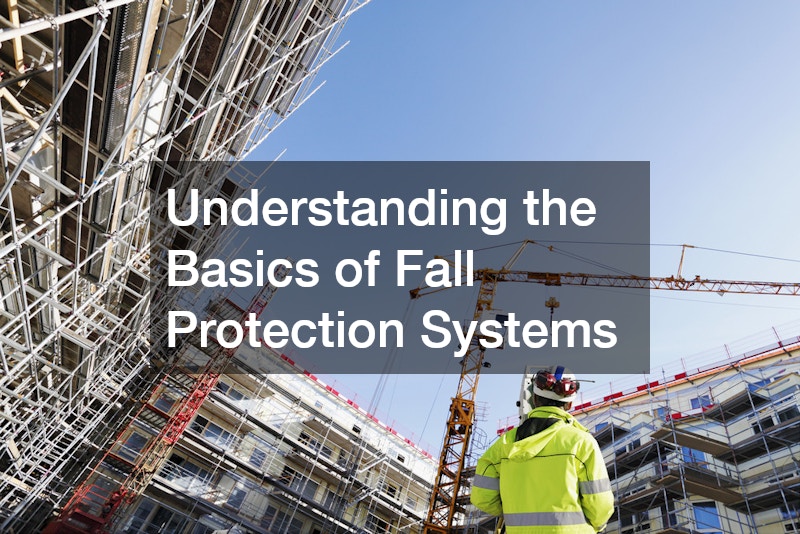
Understanding the basics of fall protection can significantly enhance workplace safety and compliance with regulations. In this blog post, we will explore the fundamentals of fall protection systems, including their types, components, and best practices.
Types of Fall Protection Systems
Fall protection systems can be broadly classified into two categories: passive and active systems. Passive systems include guardrails, safety nets, and other barriers that do not require workers to take any active steps to ensure their safety. These systems provide a physical barrier between the worker and the edge of a fall risk. On the other hand, active systems involve the use of personal protective equipment (PPE), such as harnesses and lanyards. In this case, the worker must take responsibility for their safety by properly using these devices. Understanding the distinction between these types is essential for selecting the right protection measures for any given task.
Components of Fall Protection Systems
The effectiveness of fall protection systems relies on their various components, each of which plays a crucial role in protecting workers. Key components of active fall protection systems include harnesses, anchorage points, and connectors. A harness fits securely around the individual and distributes forces in the event of a fall. Anchorage points are the secure attachments that connect the harness to a secure structure, while connectors serve to link various parts of the fall protection system together. Understanding how each component functions and maintaining them regularly is vital for maximizing their effectiveness and ensuring safety in the workplace.
Regulatory Standards and Compliance
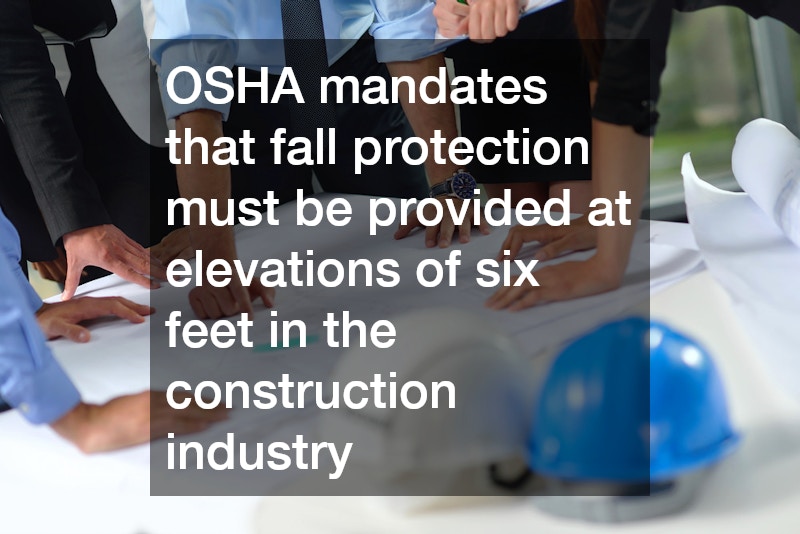
Compliance with regulatory standards is another essential aspect of fall protection systems to ensure workplace safety. In the United States, the Occupational Safety and Health Administration (OSHA) sets forth regulations that dictate when and how fall protection systems should be used. For instance, OSHA mandates that fall protection must be provided at elevations of six feet in the construction industry and at four feet in general industry work. Organizations must maintain an awareness of these standards to avoid legal repercussions and ensure a culture of safety. Workers should be provided with training on these regulations, the types of fall protection systems available, and the correct way to use them.
Best Practices for Fall Protection
Implementing best practices for fall protection is crucial for ensuring the safety of workers at height. Regular training sessions on fall protection systems should be conducted to keep all workers informed about proper usage and potential hazards. Furthermore, conducting regular inspections of fall protection equipment and systems is necessary to identify any wear and tear, ensuring that they remain in good working order. It’s also essential to develop a fall protection plan for each jobsite, tailored to the specific tasks workers will perform. By fostering a proactive attitude towards fall protection, companies can significantly reduce the risk of falls and related injuries.
The Importance of a Safety Culture
The creation of a strong safety culture is vital in maintaining effective fall protection systems within any organization. Safety should be viewed as a shared responsibility among all employees, with open lines of communication regarding hazards and safety practices encouraged. When workers feel responsible for their safety and that of their colleagues, they are more likely to adhere to safety protocols, including the use of fall protection systems. Leadership plays a key role in modeling this culture, ensuring that the priority on safety is evident in every aspect of the workplace. By fostering an environment that values safety, organizations can mitigate risks and enhance overall workplace safety.
In conclusion, understanding the fundamentals of fall protection systems is essential for any workplace that involves working at heights. By familiarizing yourself with the different types, components, and regulatory requirements, you can help create a safer environment for all employees. Implementing best practices and fostering a strong safety culture goes a long way in reducing the risk of accidents and injuries caused by falls. It is crucial to recognize that everyone plays a role in maintaining safety—by doing so, we can protect lives and ensure that all workers return home safely at the end of the day. Investing in comprehensive fall protection systems is not merely a legal obligation; it is a moral imperative.