
Video Source
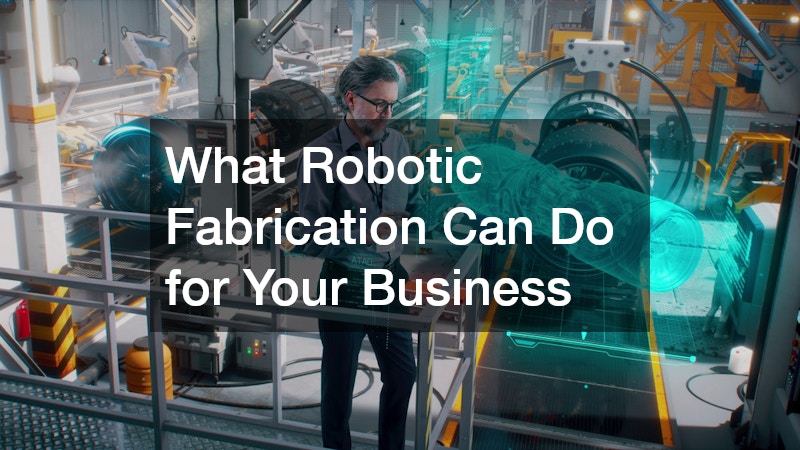
Additionally, robotic fabrication minimizes human error, ensuring a high level of precision and consistency in production. Companies that integrate robotic fabrication into their operations are often able to meet market demands more swiftly, gaining a critical competitive edge.
The implementation of robotic fabrication can streamline production lines, leading to more efficient use of resources and reducing waste. This advanced technology is designed to adapt to various tasks, making it suitable for diverse industries ranging from automotive to aerospace. By reducing bottlenecks and optimizing workflow, robotic systems contribute to a more agile and responsive production environment. Furthermore, the data gathered by robotic systems during the fabrication process can be analyzed to further enhance efficiency and guide strategic decisions. As businesses strive for sustainability, robotic fabrication also plays a crucial role in minimizing environmental impact.
Businesses have reported significant increases in productivity when adopting robotic fabrication, often observing up to a 30% improvement in production output. This boost is not only a result of the robots’ operational capabilities but also the ability to reallocate human resources to more strategic roles. Employees can focus on innovation, quality control, and customer engagement, rather than repetitive and manual tasks. The synergy between human intelligence and robotic efficiency paves the way for innovative business models and new market opportunities. Ultimately, robotic fabrication is transforming how industries operate, promising a brighter and more prosperous future.
Cost-Effectiveness and Return on Investment
One of the most attractive benefits of robotic fabrication is its cost-effectiveness. Although the initial investment in robotic systems can be substantial, the long-term financial gains often far outweigh the costs. By reducing the need for manual labor, businesses can significantly cut down on operational expenses. Robots can perform tasks faster and more accurately than humans, resulting in reduced material waste and lower production costs. Over time, these savings lead to a more favorable return on investment, making robotic fabrication an economically sound decision.
Companies investing in robotic fabrication often experience a rapid return on investment, sometimes as quickly as within the first year. This is largely due to the automation of processes that traditionally required extensive human labor and oversight. Maintenance and operational costs can also be lower with robotic systems compared to human-operated machinery. Moreover, robotic systems can be programmed for multiple roles, enhancing their versatility and value within the production line. This flexibility ensures that businesses are more adaptable to changing market conditions and can swiftly pivot to meet new demands.
As the technology behind robotic fabrication continues to evolve, costs associated with their purchase and implementation are decreasing. Modern robotic systems are becoming more accessible to small and medium-sized enterprises, democratizing the benefits of advanced automation. With increased reliability and performance, the cost-per-output ratio continually improves, making robotic solutions more attractive to a wider range of industries. Businesses can leverage these advancements to maintain a competitive edge and foster growth within their markets. As the barrier to entry lowers, the integration of robotic fabrication is becoming a crucial strategy for sustainable business success.
Innovative Capabilities and Quality Improvement
Robotic fabrication not only enhances efficiency and cost-effectiveness but also opens up new frontiers in innovation and quality improvement. These robotic systems are equipped with advanced sensors and software that enable them to perform highly complex tasks. From intricate designs in architecture to precision components in medical devices, robotic fabrication extends the boundaries of what is technically and creatively possible. The precision and repeatability that robotic fabrication offers ensure superior product quality, reducing defects and enhancing customer satisfaction. As consumer expectations rise, utilizing robotic fabrication can be a hallmark of excellence and innovation in manufacturing.
The customization capabilities of robotic systems allow businesses to offer a greater variety of tailored products. For example, in the fashion industry, robotic fabrication can personalize items to meet specific consumer preferences at unprecedented speeds. By managing intricate tasks with precision, robotic systems support innovation in design, enabling companies to set trends rather than follow them. This agility gives companies the freedom to experiment with new materials and processes, leading to groundbreaking products and services. Robotic fabrication also facilitates rapid prototyping, accelerating the time from concept to market readiness for new innovations.
Variability in quality poses a challenge to many industries; however, robotic fabrication provides consistency that is difficult for humans to match. Each product manufactured using robotic systems meets exact specifications, reducing the likelihood of recalls and enhancing brand reputation. Real-time monitoring and data analysis capabilities further improve the quality assurance process, identifying issues before they evolve into costly problems. Consequently, businesses can maintain high standards while exploring innovative solutions that cater to evolving market demands. In an era where quality and differentiation are paramount, robotic fabrication serves as a cornerstone for maintaining competitive advantage through superior product offerings.